Handover Inspection: A Complete Guide to Ensuring Your Property is Ready for Move-In
A handover inspection is a crucial step in ensuring that a newly constructed or renovated property meets the expected standards before you take possession. Whether you are a buyer, tenant, or builder, a thorough handover inspection can help identify any issues that need to be addressed before finalizing the deal. This article will explain the importance of a handover inspection, what to expect during the process, and why it is a vital step in securing your new home or commercial property.
What is a Handover Inspection?
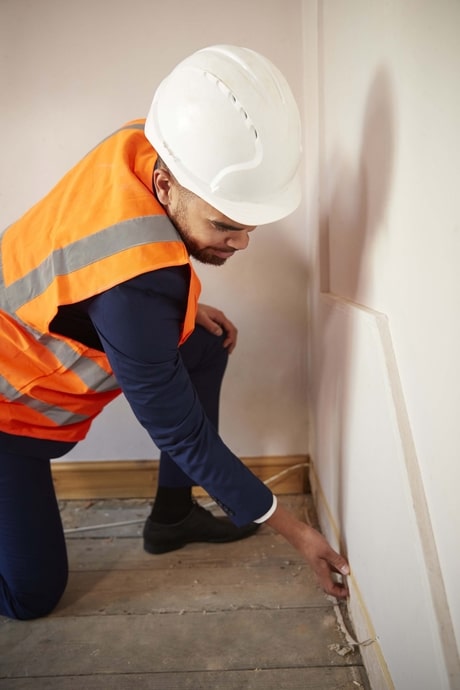
A handover inspection is the process of thoroughly inspecting a property before it is handed over to the buyer, tenant, or new owner. This inspection occurs after the construction or renovation work has been completed, but before the final paperwork is signed, and the property is officially transferred. The primary purpose of the handover inspection is to ensure the property is in the expected condition and that any defects or unfinished work are identified and addressed.
Why is Handover Inspection Important?
1. Ensures Quality and Standards
A handover inspection allows you to verify that the property meets the quality standards outlined in the contract and design specifications. By carefully inspecting all aspects of the property—from structural integrity to finishes—you can ensure that everything is up to par.
2. Identifies Defects Early
One of the key benefits of a handover inspection is that it helps identify defects or incomplete work before you take possession of the property. This allows the builder or contractor to fix any issues, saving you time and money on repairs after moving in.
3. Protects Your Investment
Whether you're purchasing a new home or leasing a commercial space, your property is a significant investment. A handover inspection helps protect that investment by ensuring that the property is safe, functional, and ready for use. Addressing potential problems before move-in can prevent costly repairs down the road.
4. Compliance with Regulations
For newly pre handover inspection, a handover inspection ensures that all local building codes and regulations have been followed. This can include compliance with safety standards, energy efficiency requirements, and legal building codes. A formal inspection ensures that the property is up to standard and avoids any potential legal or safety issues.
5. Smooth Transition
A comprehensive handover inspection ensures that there are no surprises when you take possession of the property. It allows both the buyer and the builder or contractor to agree on what’s been completed and what needs further work, providing a smoother transition.
What to Expect During a Handover Inspection
A handover inspection typically involves a detailed walkthrough of the property with a professional inspector, the builder, and the buyer or tenant. Here’s what you can expect during the inspection:
- Exterior and Structural Review: Inspect the condition of the foundation, walls, roof, windows, and doors.
- Interior Inspection: Check the condition of walls, floors, ceilings, plumbing, electrical systems, and appliances.
- Finishes and Fittings: Ensure all finishes (e.g., paint, flooring, cabinetry) meet quality standards and are free from defects.
- Safety and Compliance Checks: Confirm that smoke detectors, fire exits, and other safety features are in place and operational.
- Final Touches: Ensure all promised amenities, such as landscaping, fixtures, and fittings, are properly installed and functioning.
FAQ: Frequently Asked Questions About Handover Inspections
1. When should a handover inspection be conducted?
A handover inspection should take place after construction or renovation is complete but before the final payment or possession of the property. It typically happens just before you sign the final paperwork and take possession.
2. Who should conduct the handover inspection?
While you can conduct the inspection yourself, it's highly recommended to hire a professional inspector who specializes in handover inspections. These experts know what to look for and can help identify hidden issues that you might overlook.
3. What happens if defects are found during a handover inspection?
If defects are identified during the handover inspection, the builder or contractor is typically responsible for fixing the issues at no additional cost. The inspection report will document the problems, and the builder will need to address them before finalizing the handover.
4. How long does a handover inspection take?
The duration of a handover inspection can vary depending on the size and complexity of the property. Typically, it can take anywhere from a few hours to a full day for a thorough inspection.
5. Is a handover inspection required by law?
While a handover inspection isn’t always legally required, it is strongly recommended to protect your investment and ensure the property meets all contractual and safety requirements. In some cases, especially for commercial properties, inspections may be mandatory under local laws.
Testimonial: Client Experiences with Handover Inspections
Sarah K., Home Buyer
"I was so glad I opted for a handover inspection when I bought my new home. The professional inspector found several small issues with the plumbing that I would have never noticed. The builder was able to fix everything before I moved in, and I had peace of mind knowing the house was in perfect condition!"
Tom L., Commercial Property Owner
"As a business owner, it’s crucial to ensure that my commercial properties are in top shape before moving in. The handover inspection we did for our office building was thorough, and the team identified a few electrical issues that needed to be addressed. It saved us a lot of hassle and ensured that our employees had a safe environment to work in from day one."
Conclusion
A handover inspection is a vital step in ensuring your property is in excellent condition before moving in. Whether you’re purchasing a new home or preparing to occupy a commercial space, this inspection helps identify potential problems early, protects your investment, and ensures compliance with safety and quality standards. By conducting a detailed handover inspection, you can have confidence that your new property is ready for use without unexpected issues.


Comments
Post a Comment